

Twin-wall flue systems enable the installation of wood-burning stoves in properties lacking a traditional masonry chimney, such as extensions or homes built after the 1970s.
A twin-wall flue consists of two stainless-steel layers separated by insulation. Depending on the specific product, some manufacturers allow clearances as small as 50 mm to combustibles for safe passage through walls, ceilings, and roof spaces.
Three primary scenarios where a twin-wall flue system might be necessary include: a freestanding stove, a stove installed within a false chimney breast, and a property that has had its original chimney stack removed from the roof.
FREESTANDING STOVES
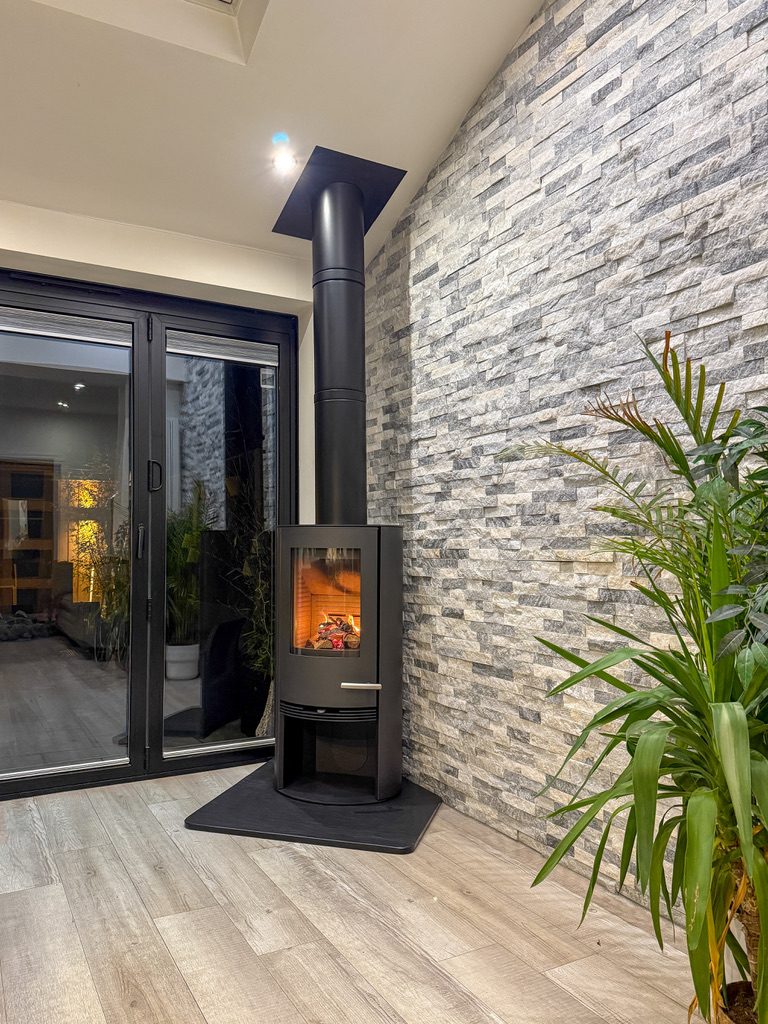
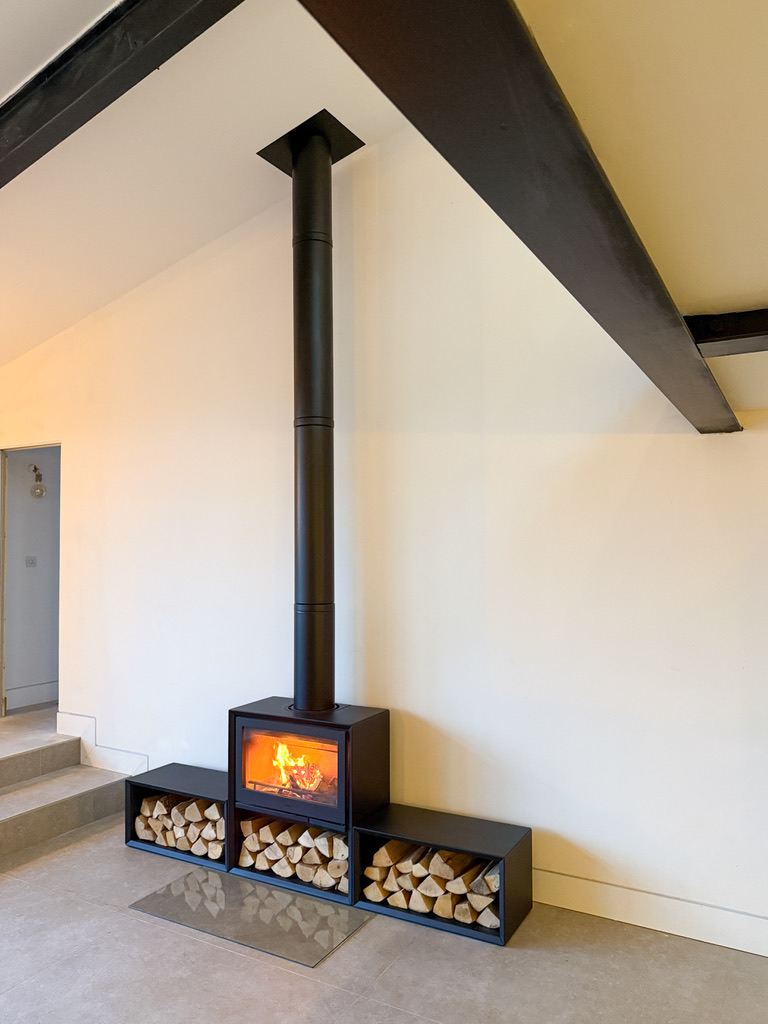
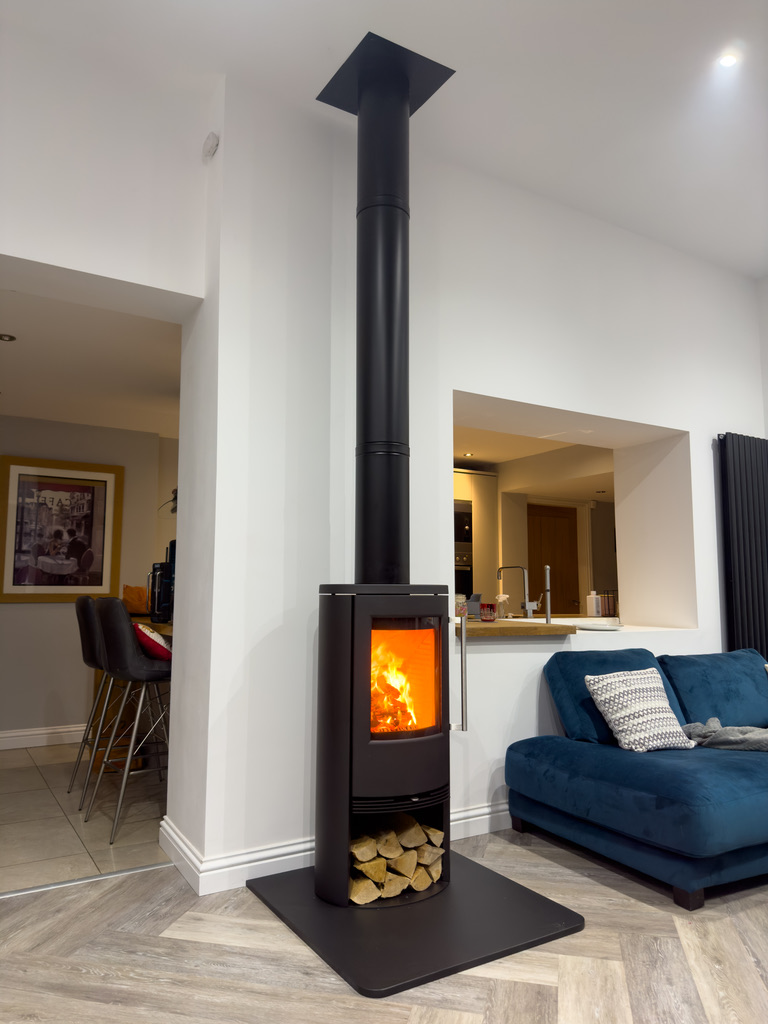
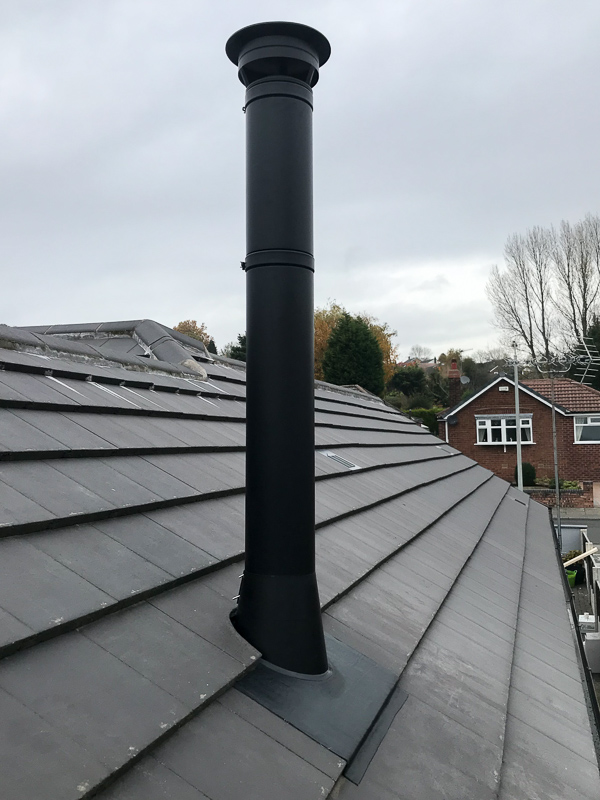
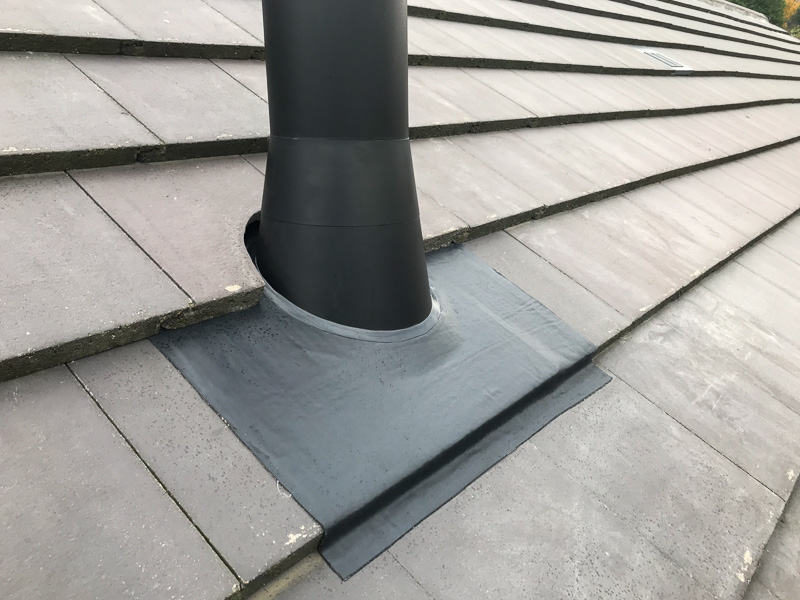
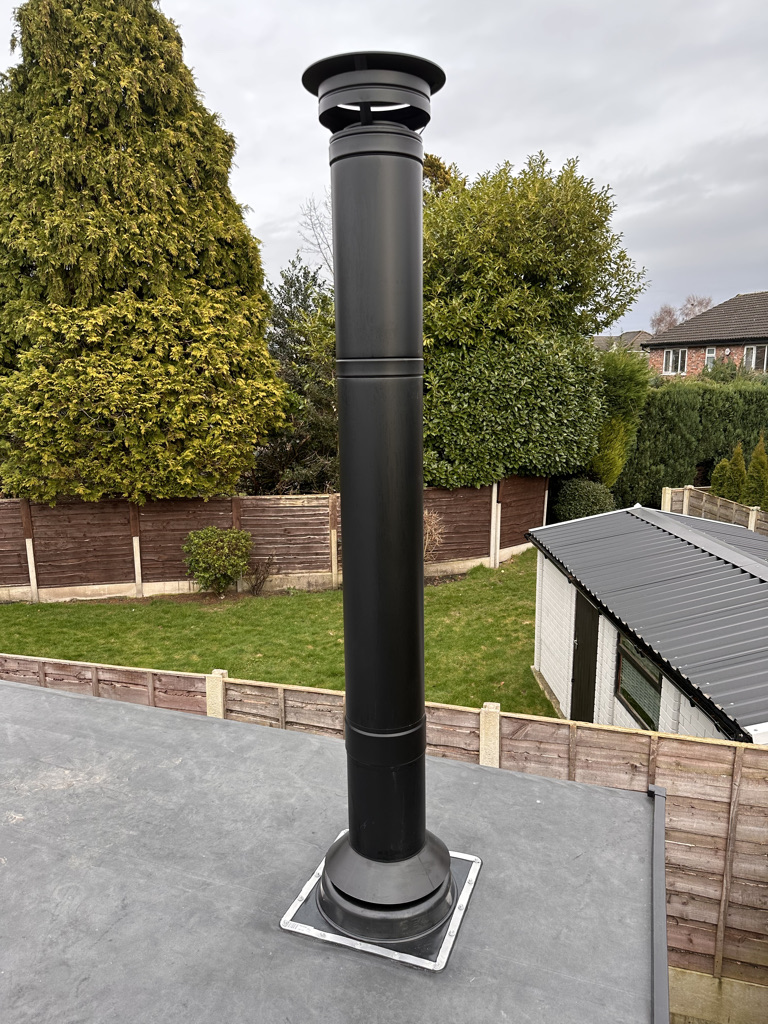
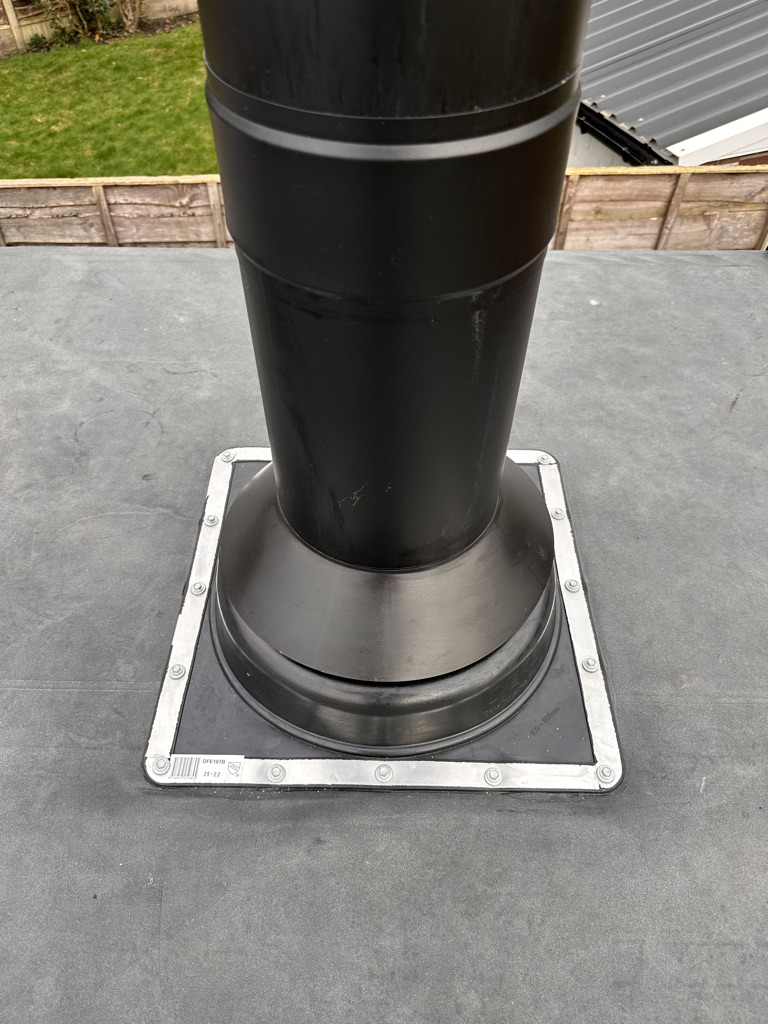
FREESTANDING STOVES – SINGLE STOREY
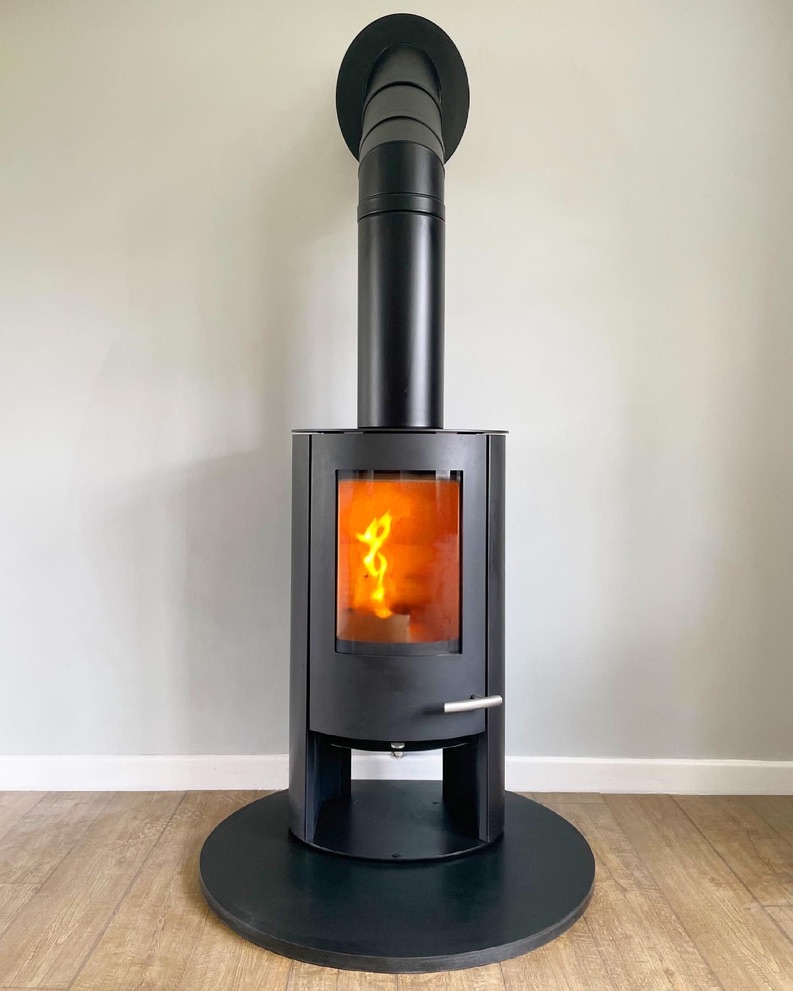
In single-storey extensions, whether with a pitched or flat roof, the flue typically runs directly from the top of the stove and exits through the roof without any bends.
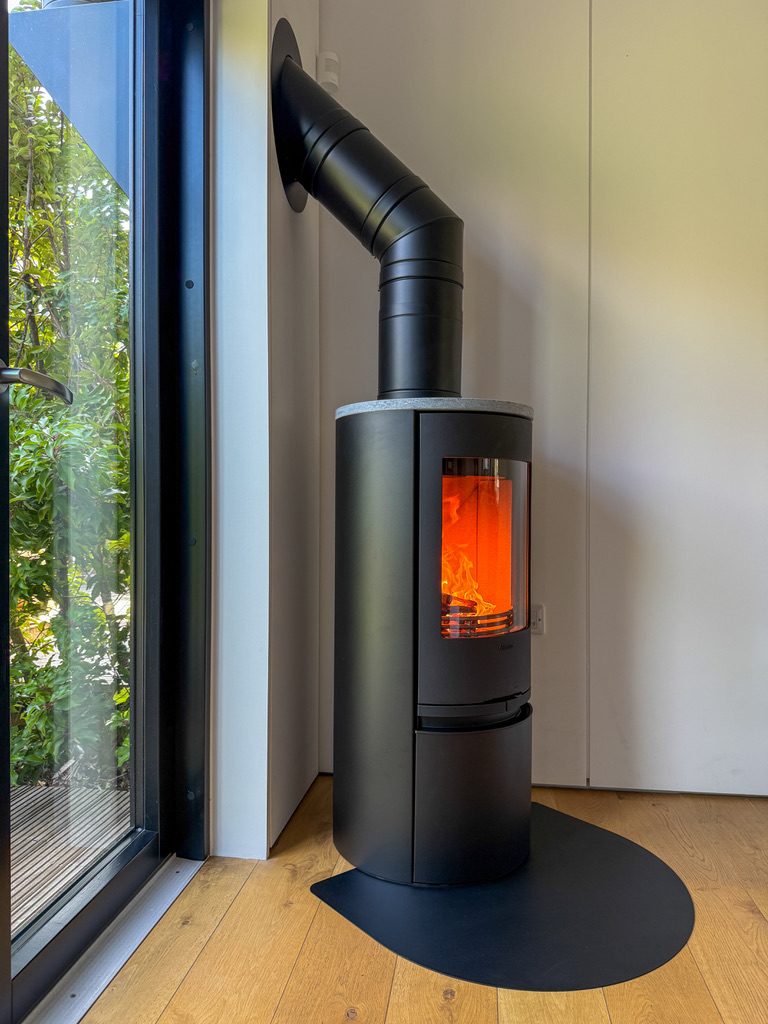
FREESTANDING STOVES – DOUBLE STOREY
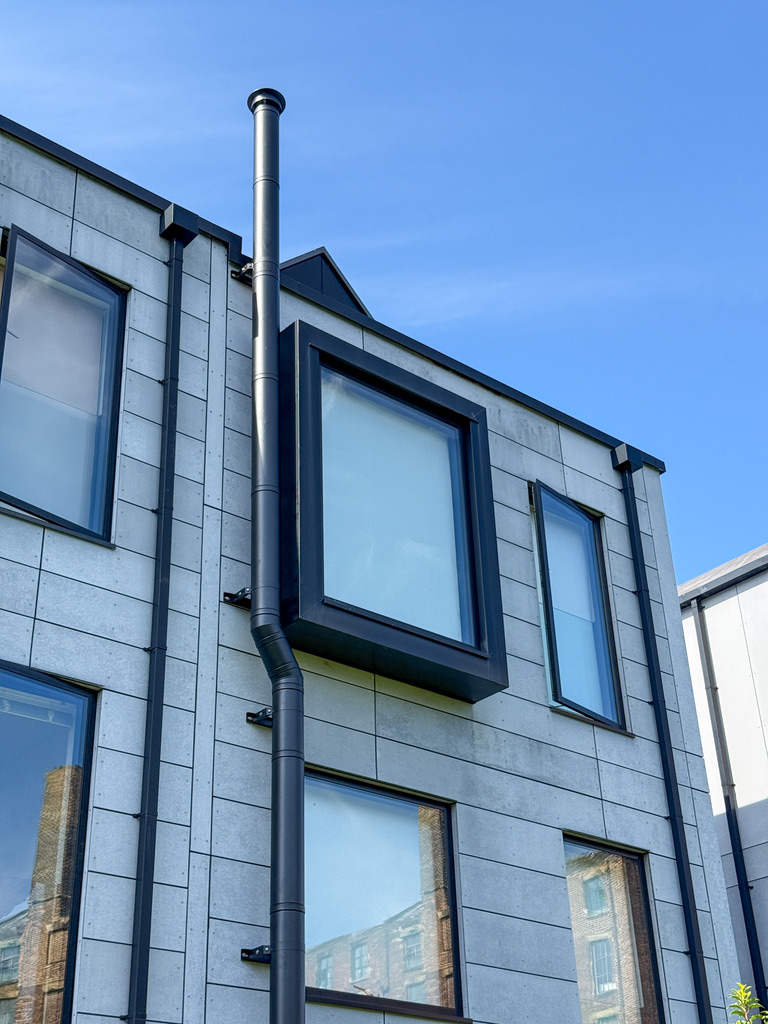
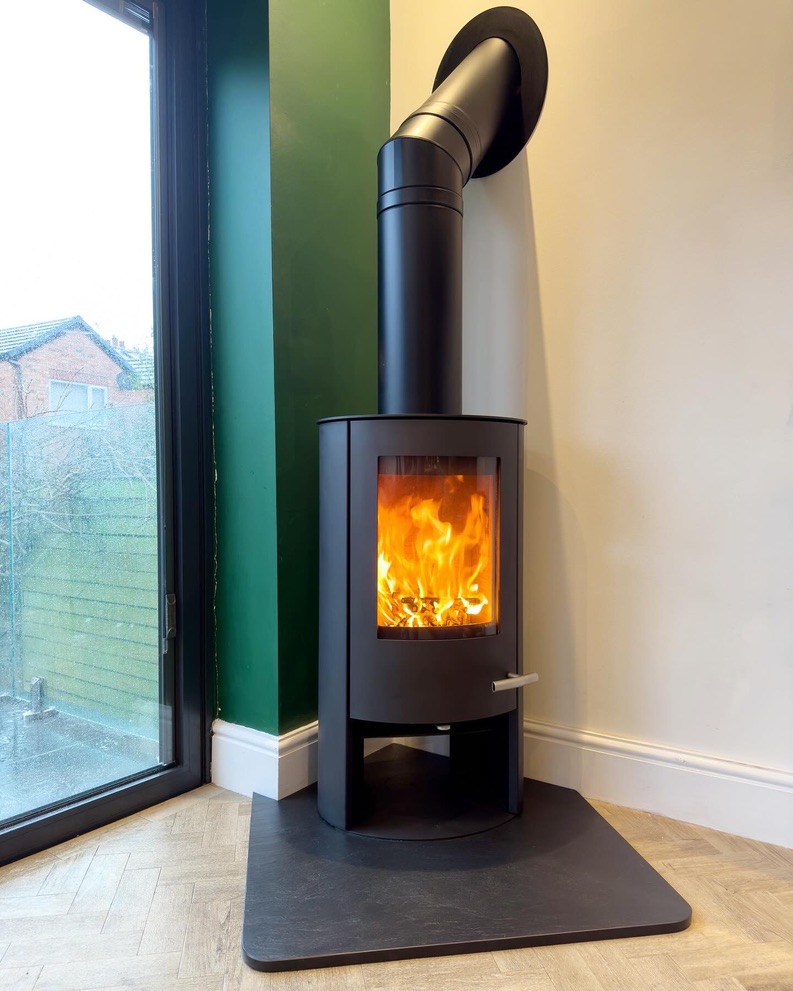
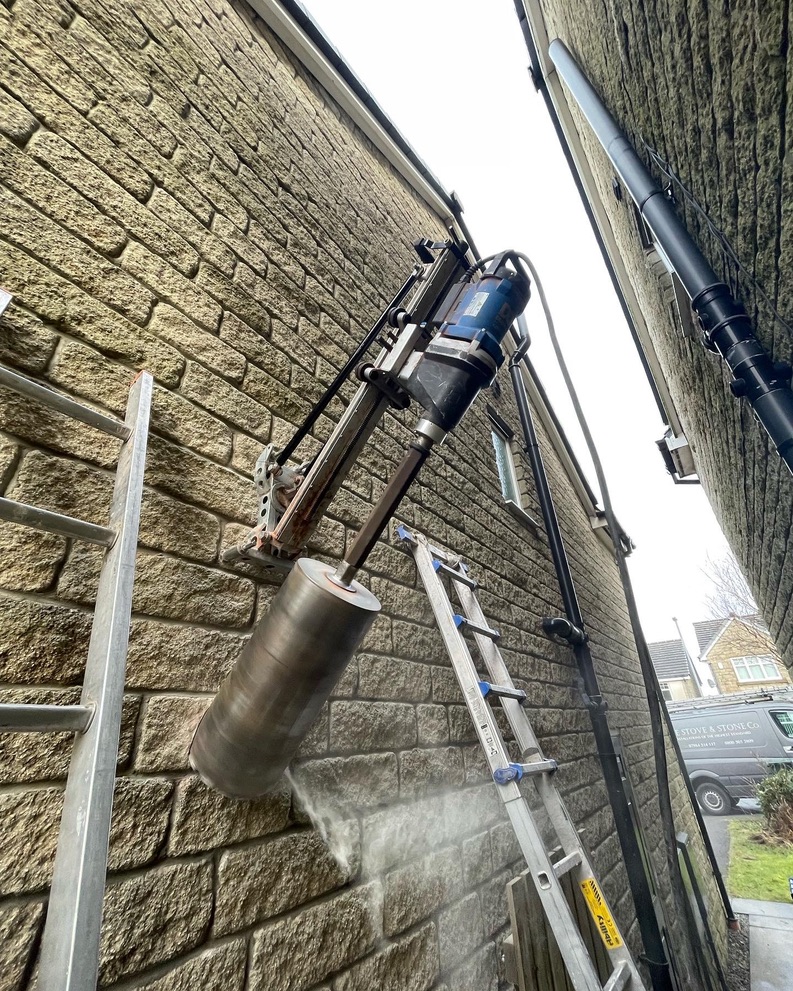
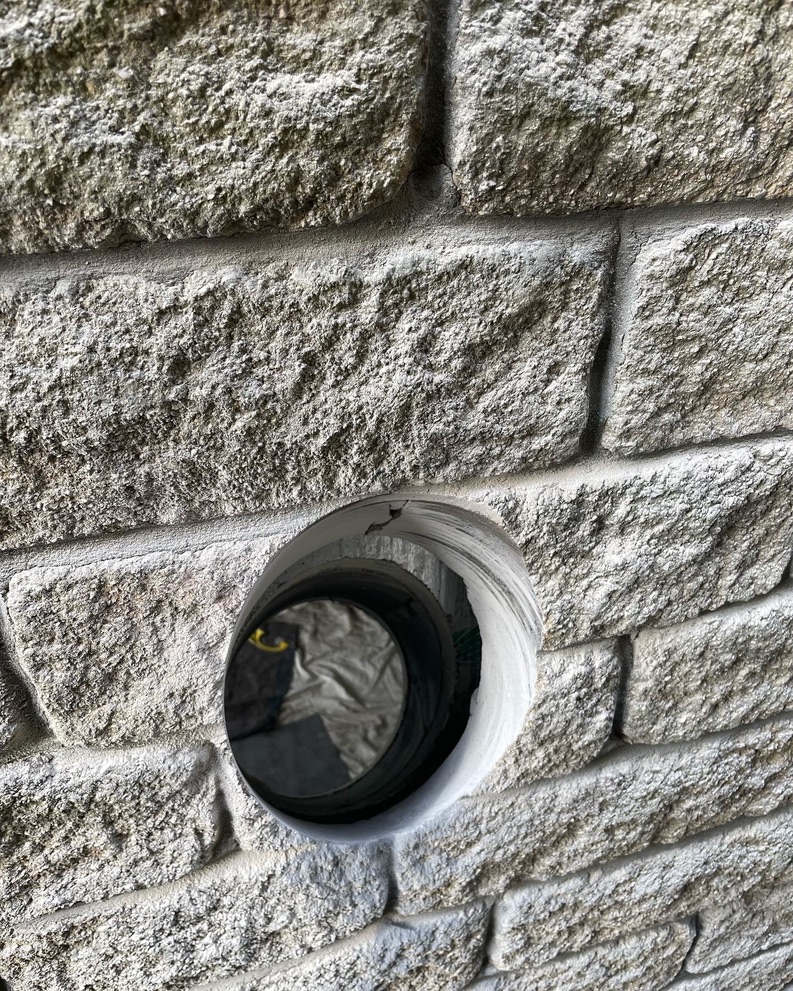
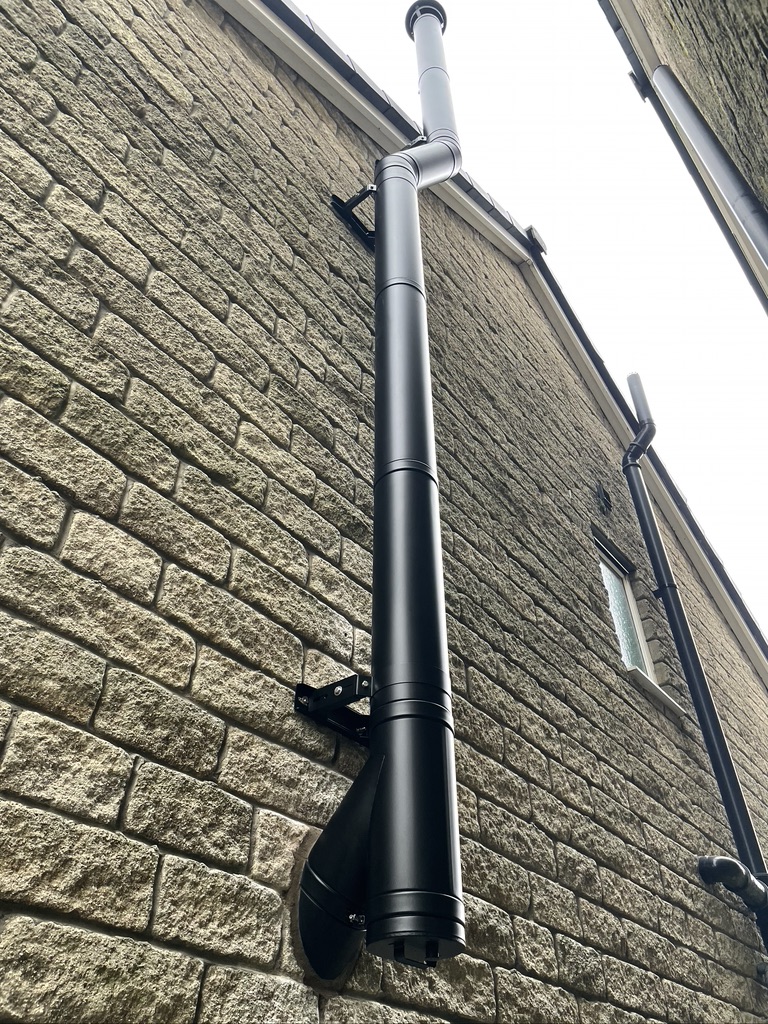
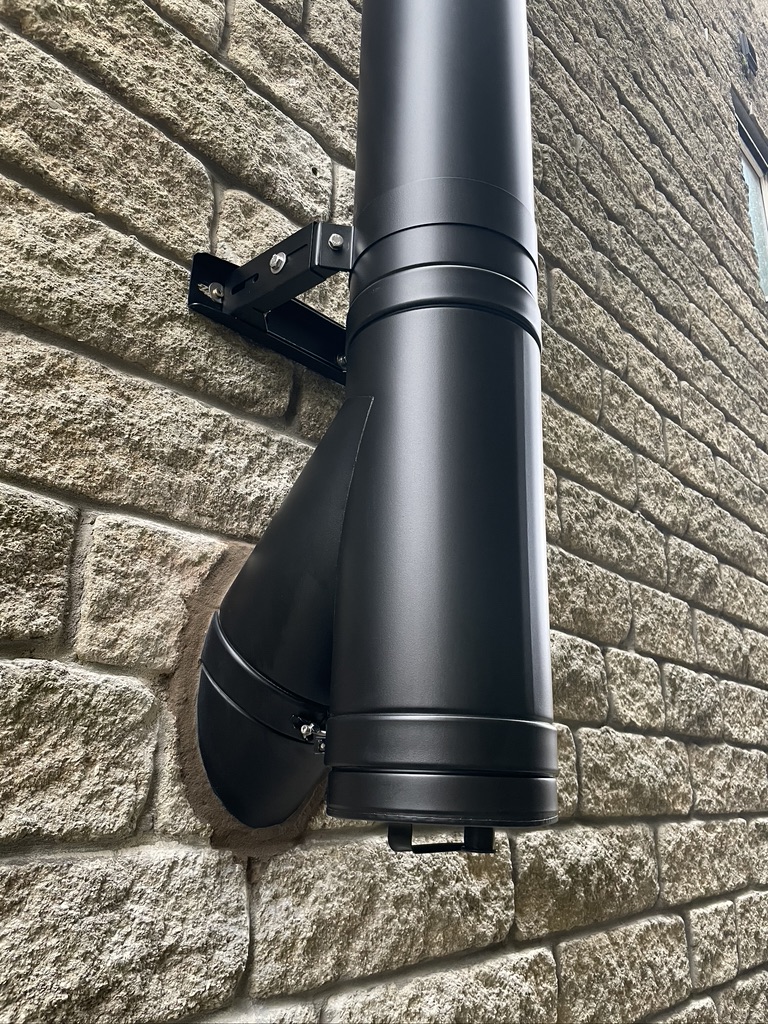
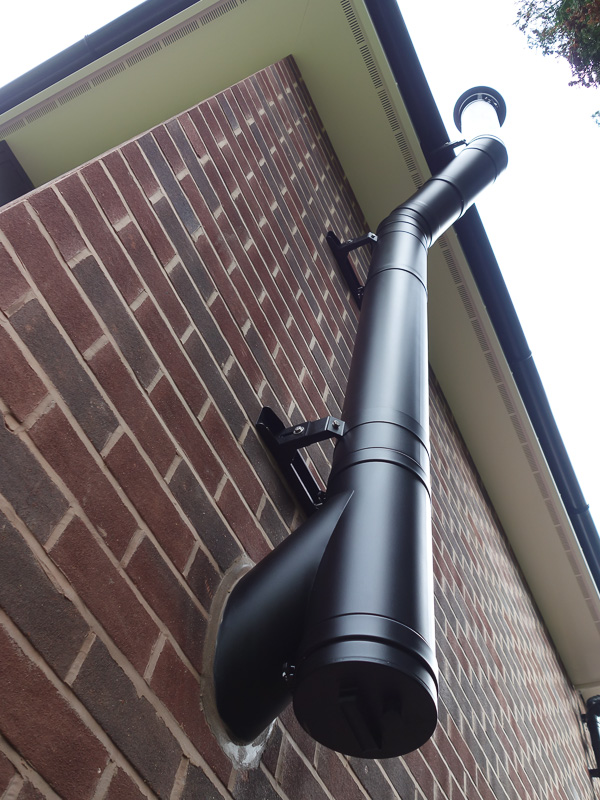
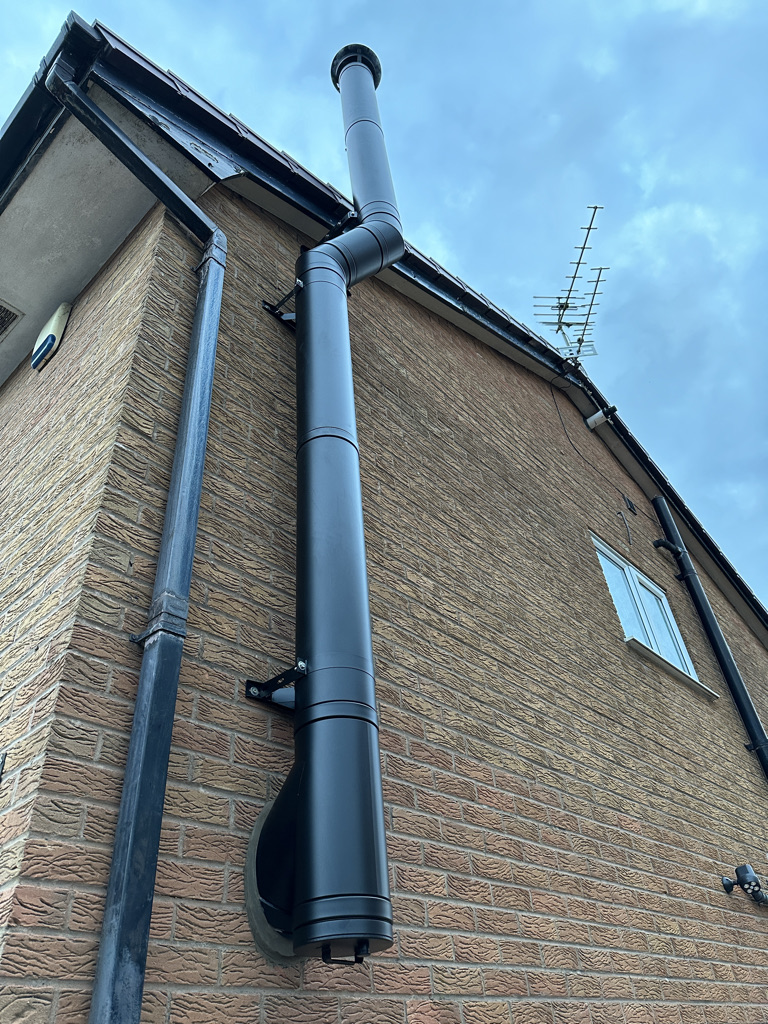
In two-storey buildings, the flue usually passes through the wall at a 45-degree angle above the stove, then runs vertically on the exterior of the building, terminating above the fascia and gutter line.
If the stove isn’t installed against an external wall, the flue can run internally through bedrooms and the loft before exiting through the roof. Since each property is unique, the best route can be determined during a survey.
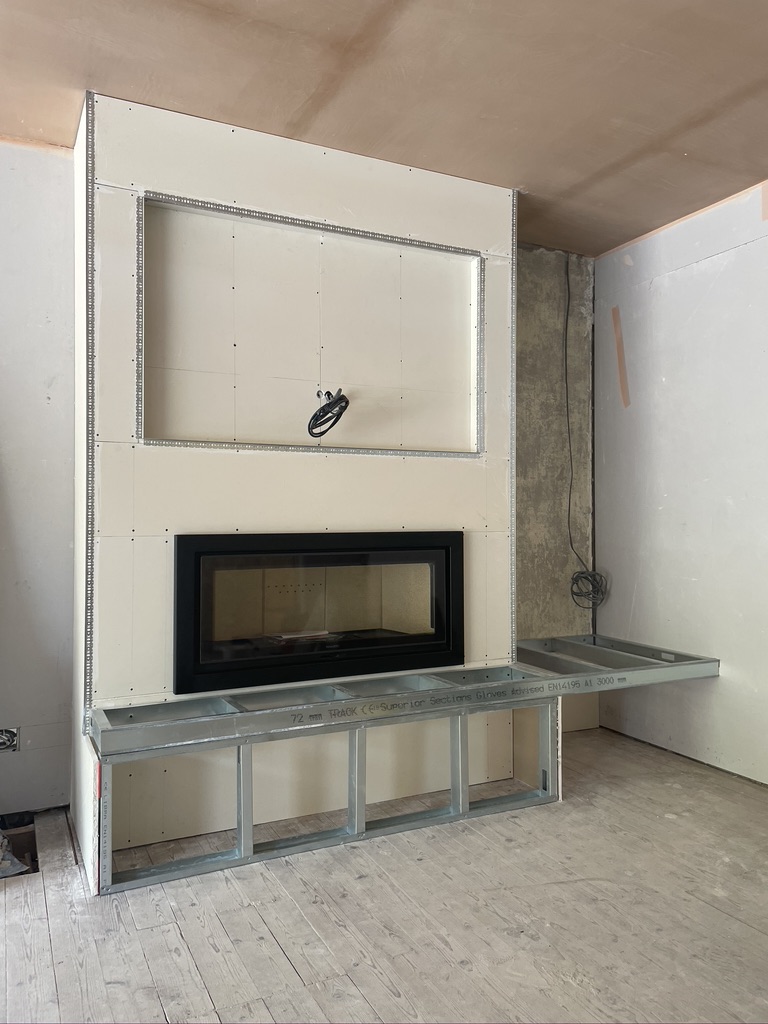
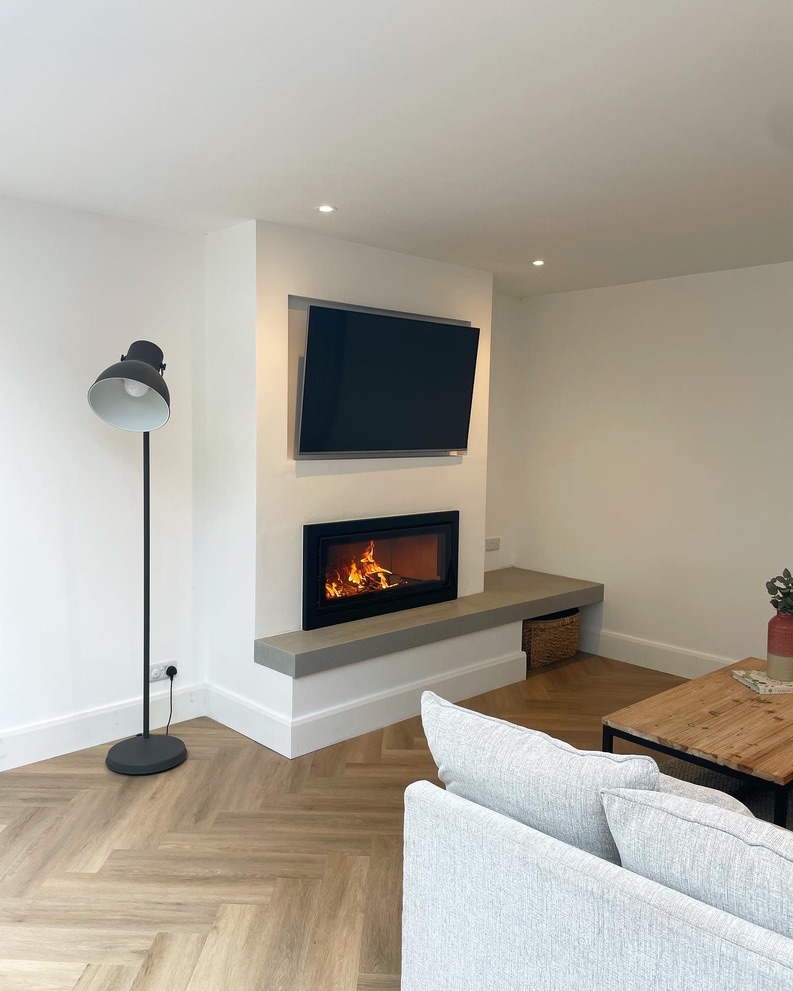
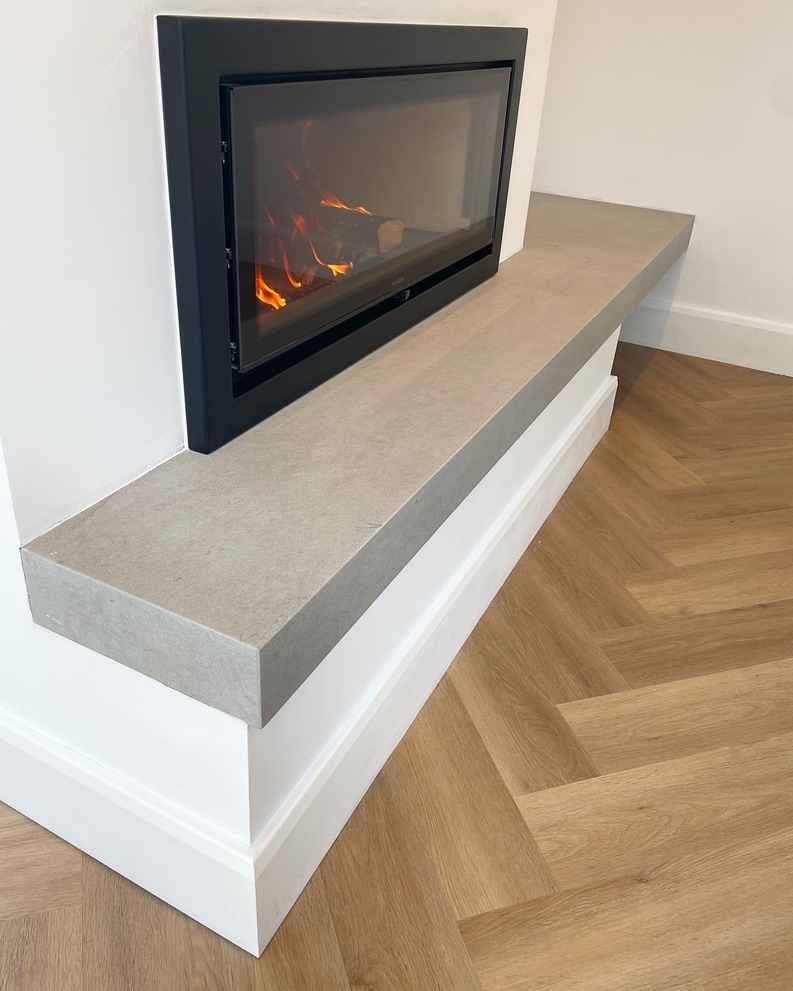
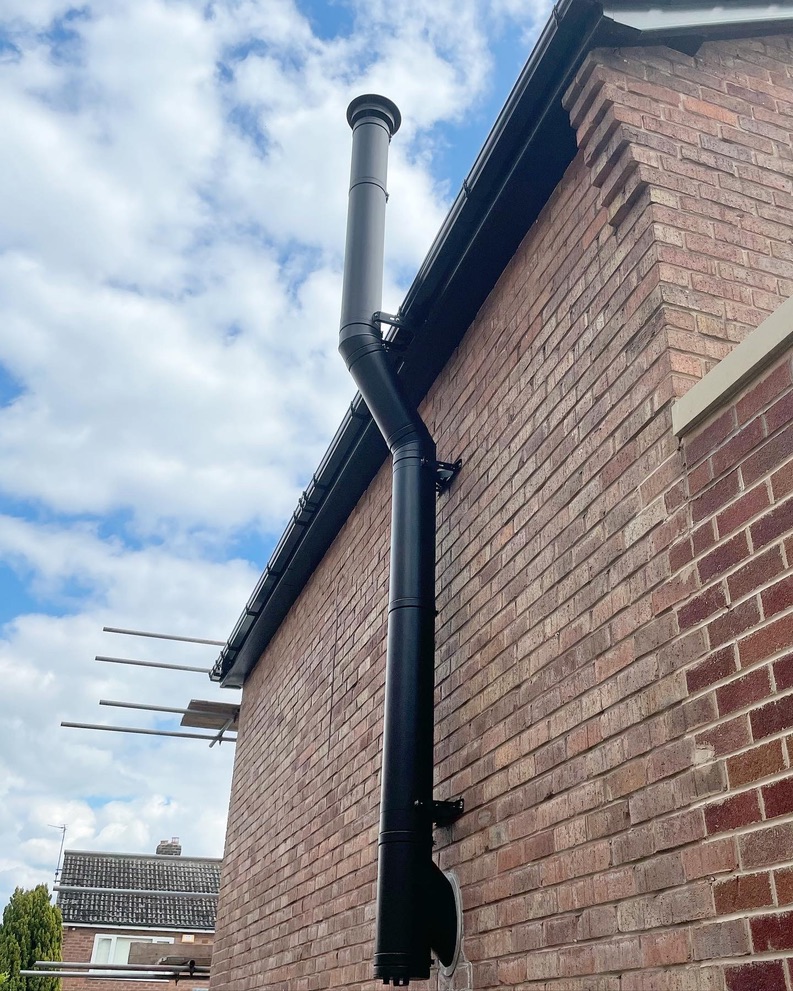
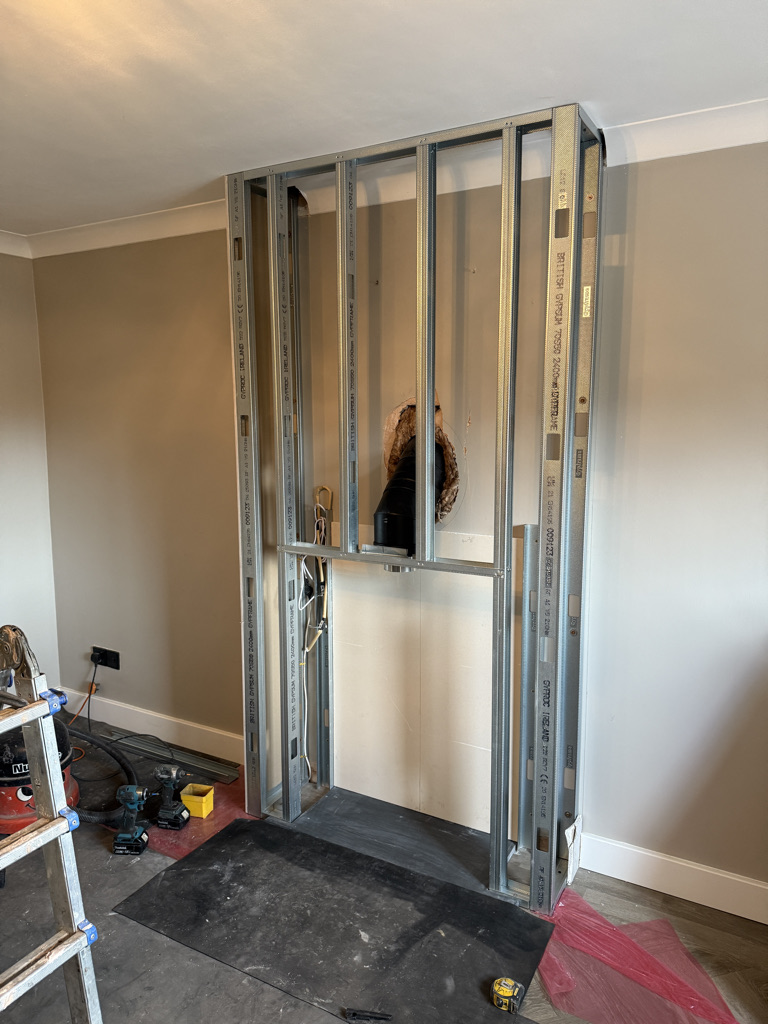
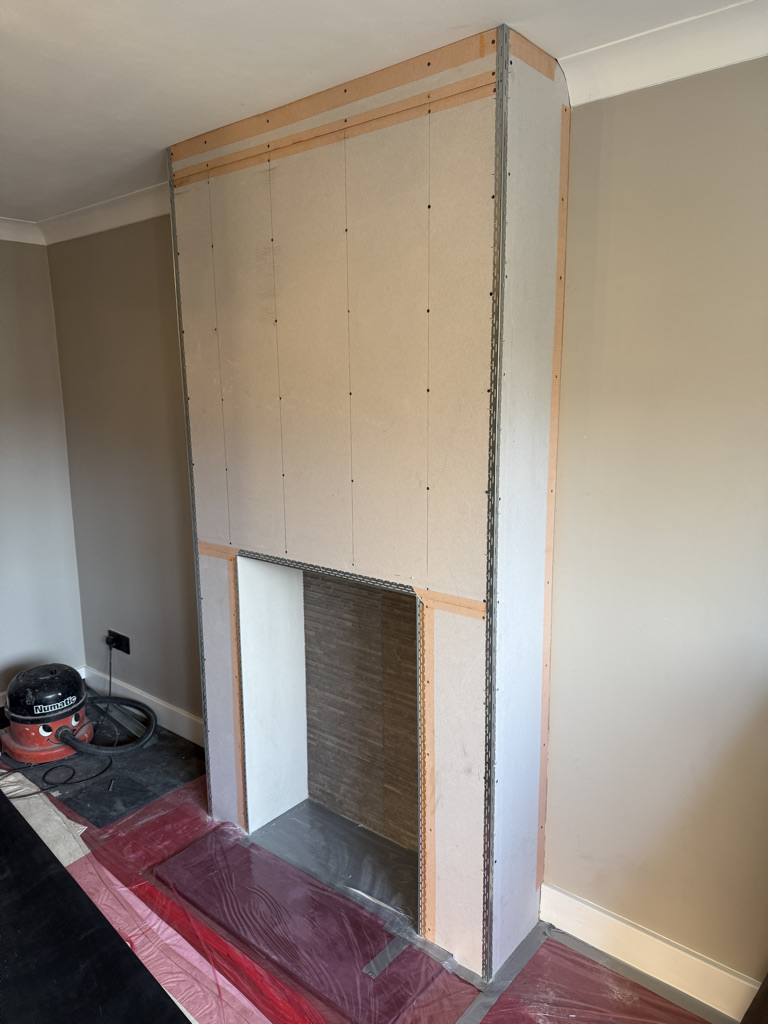
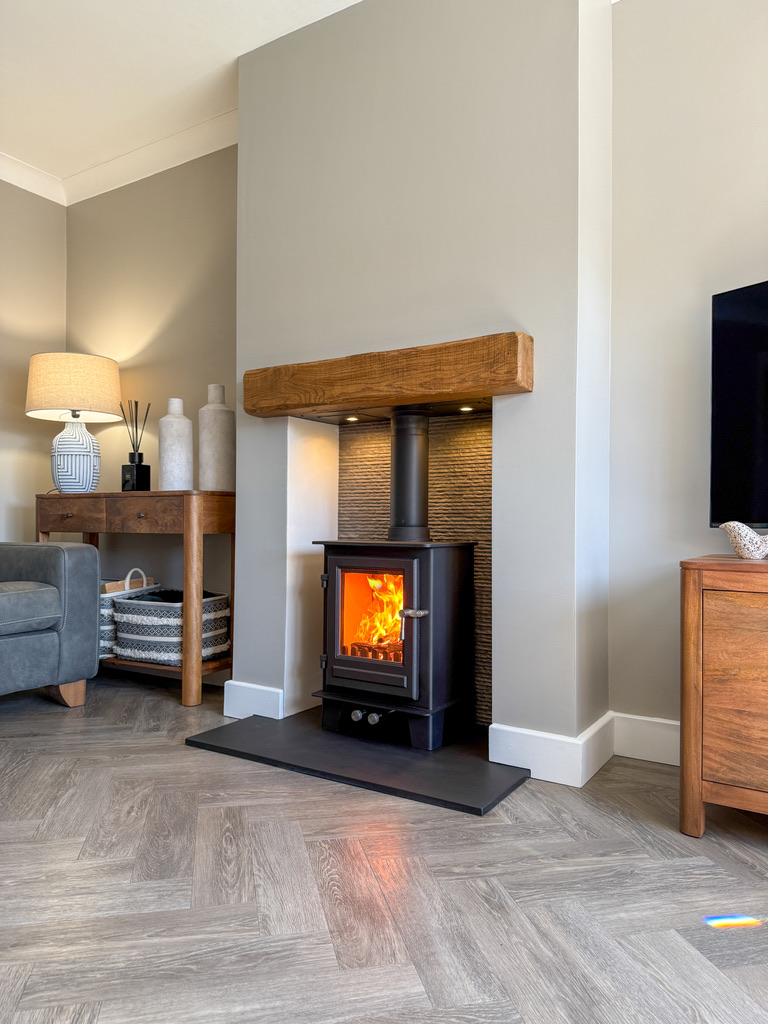
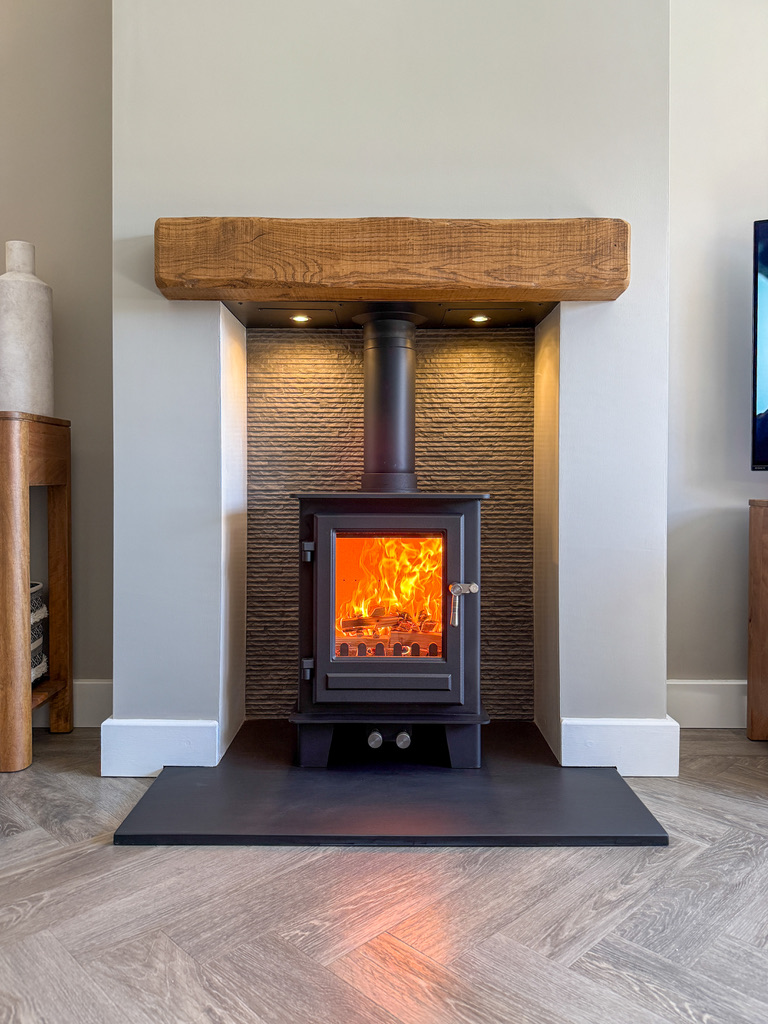
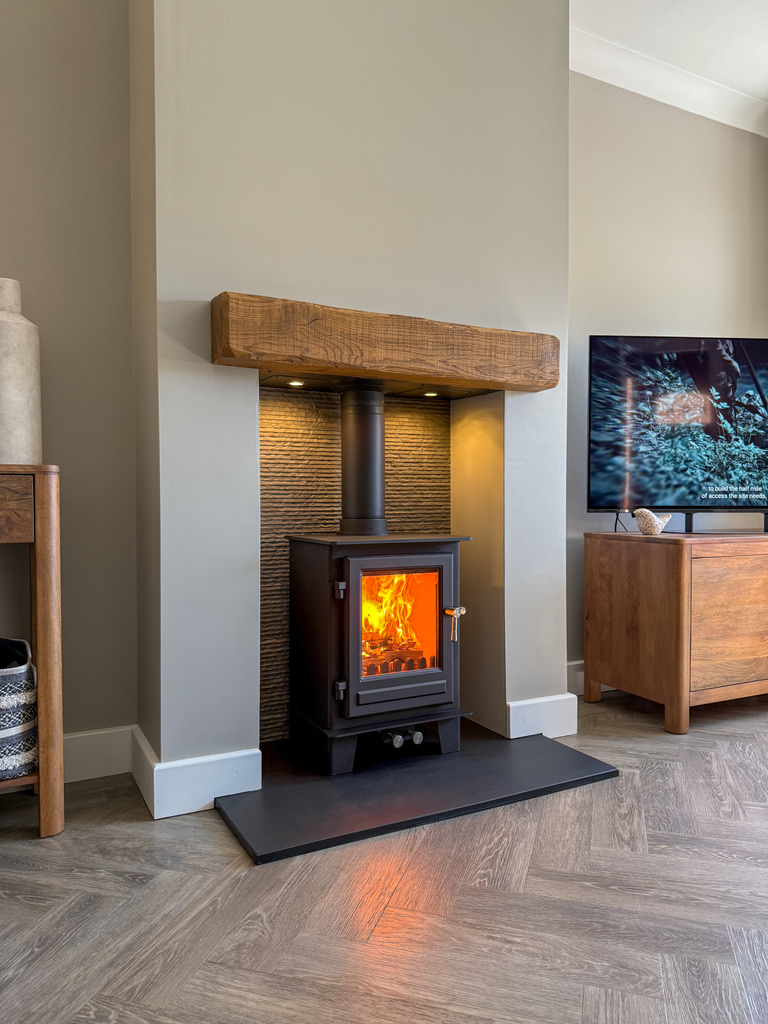
FAUX CHIMNEY BREAST
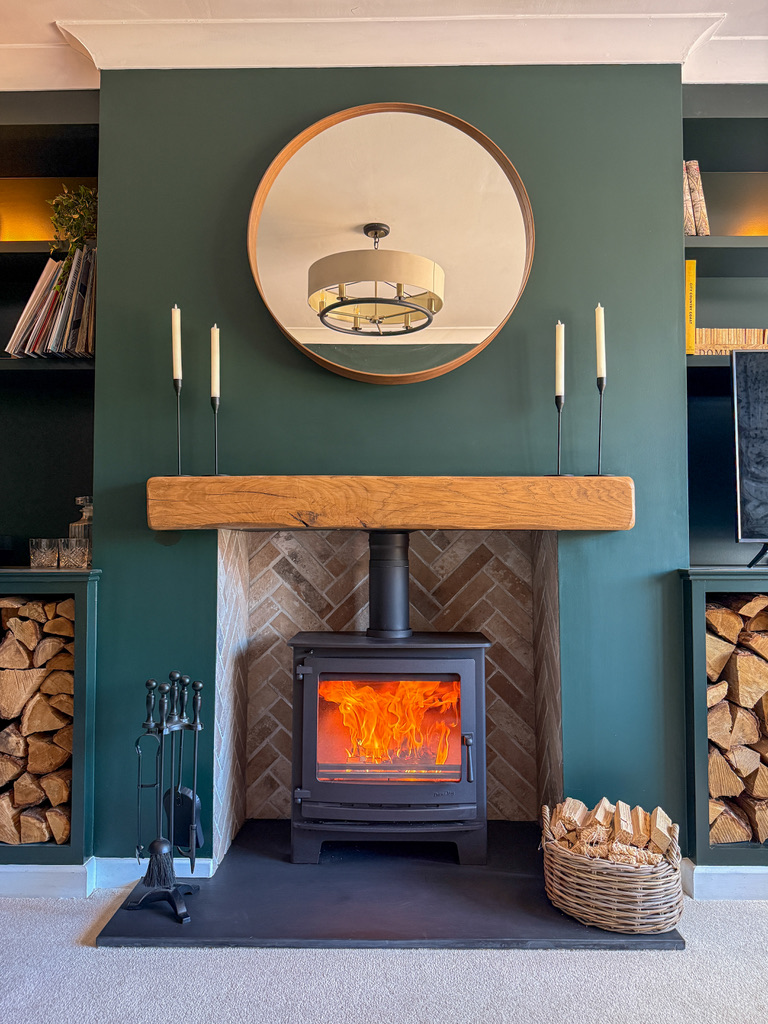
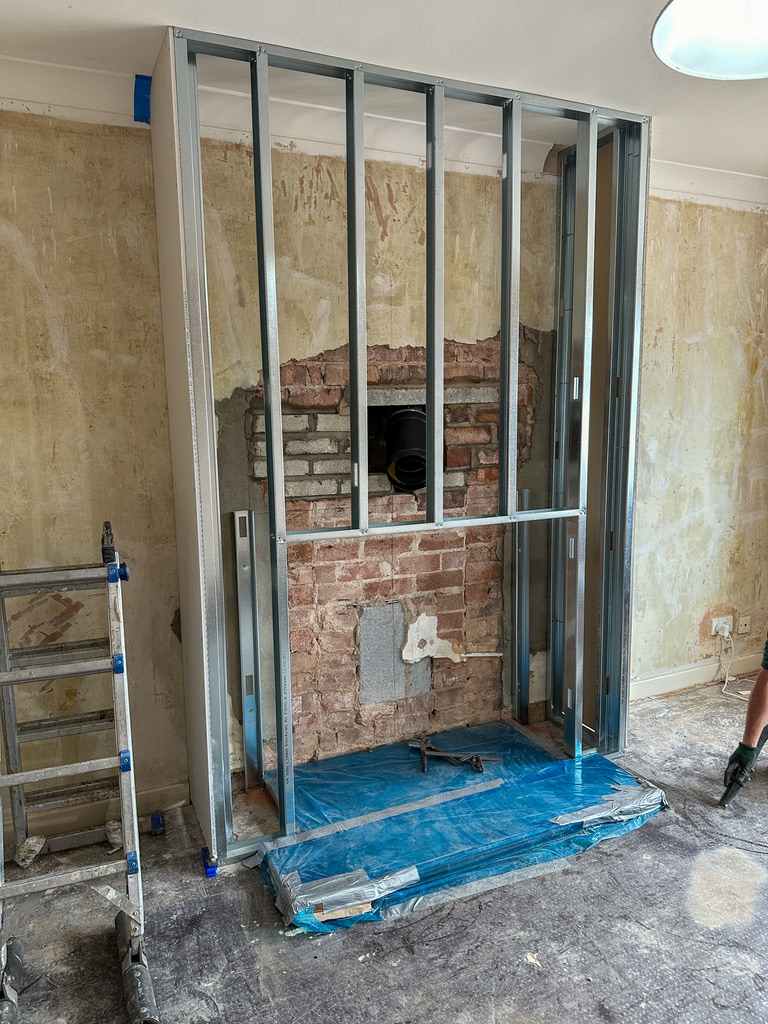
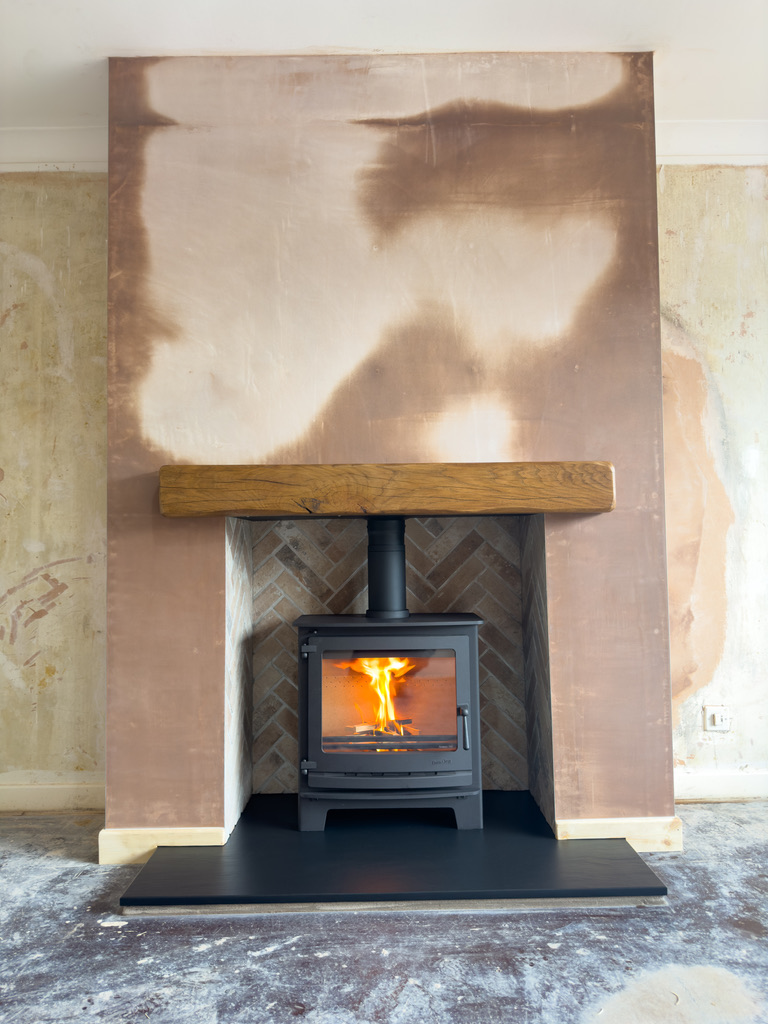
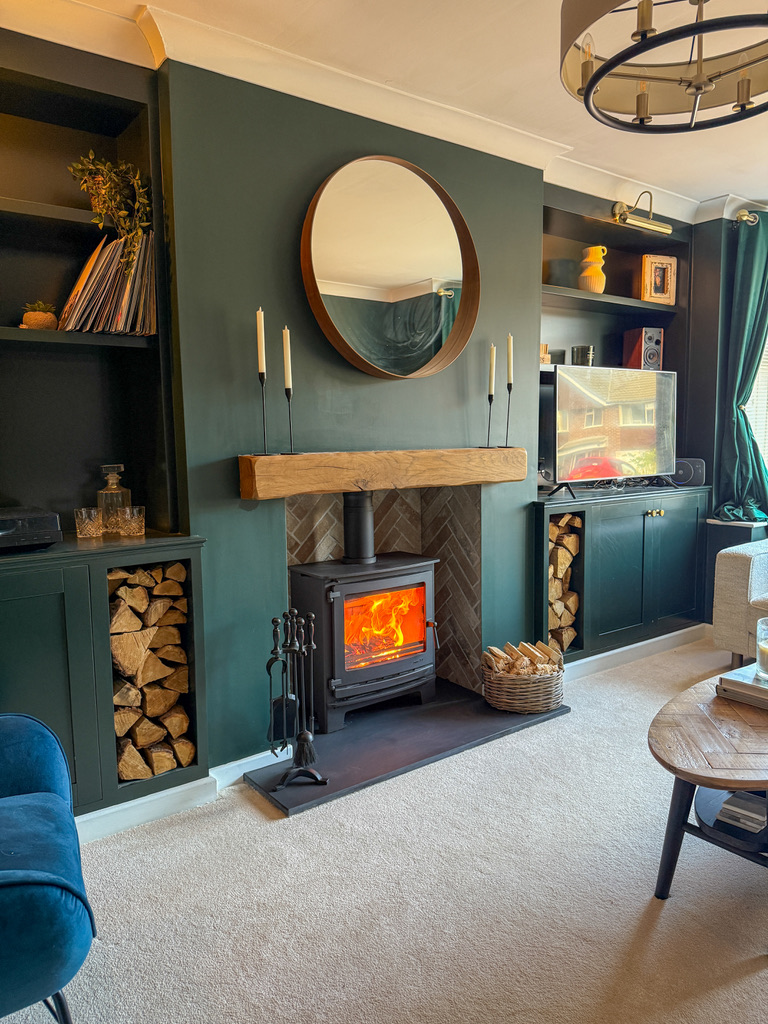
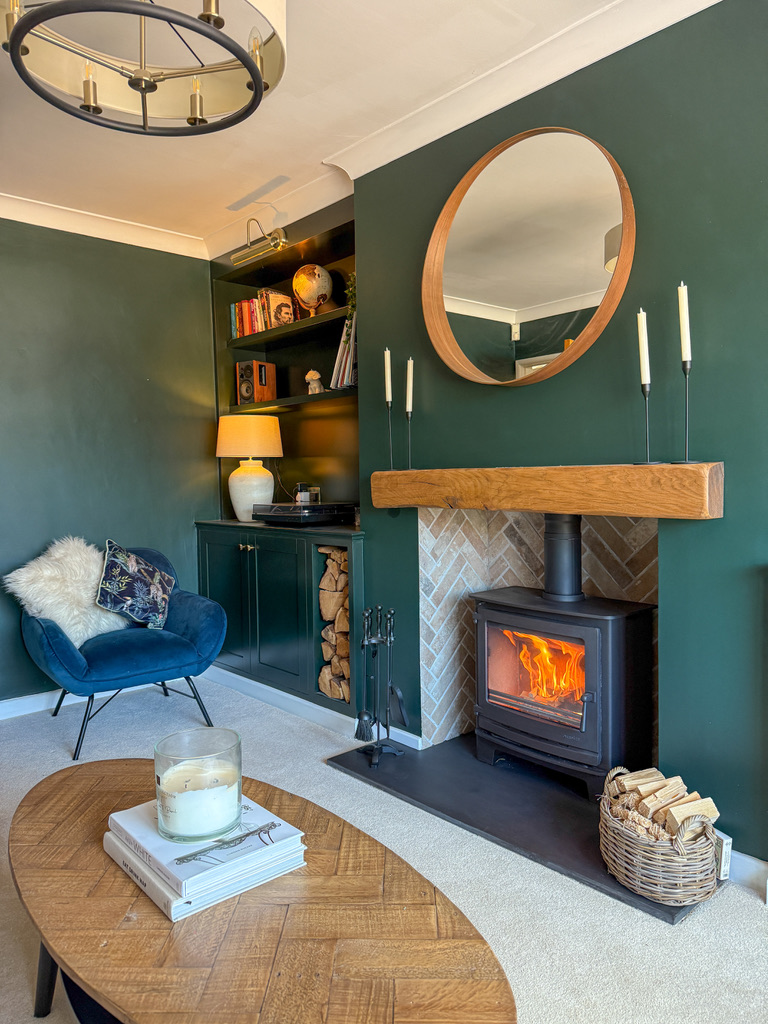
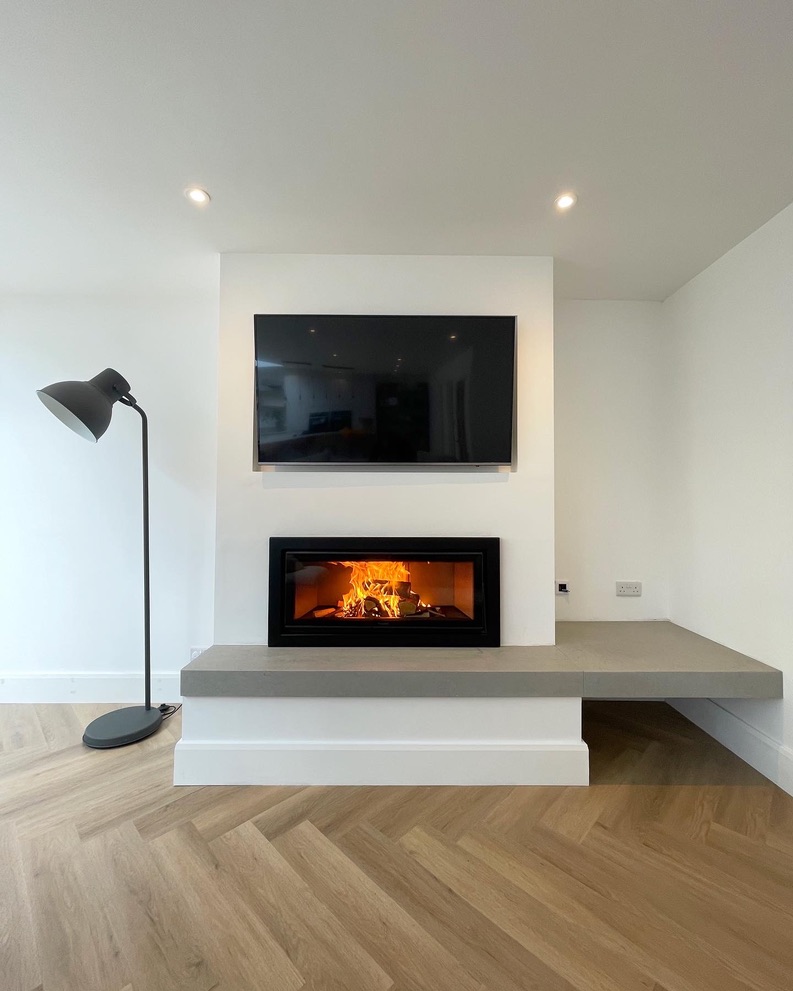
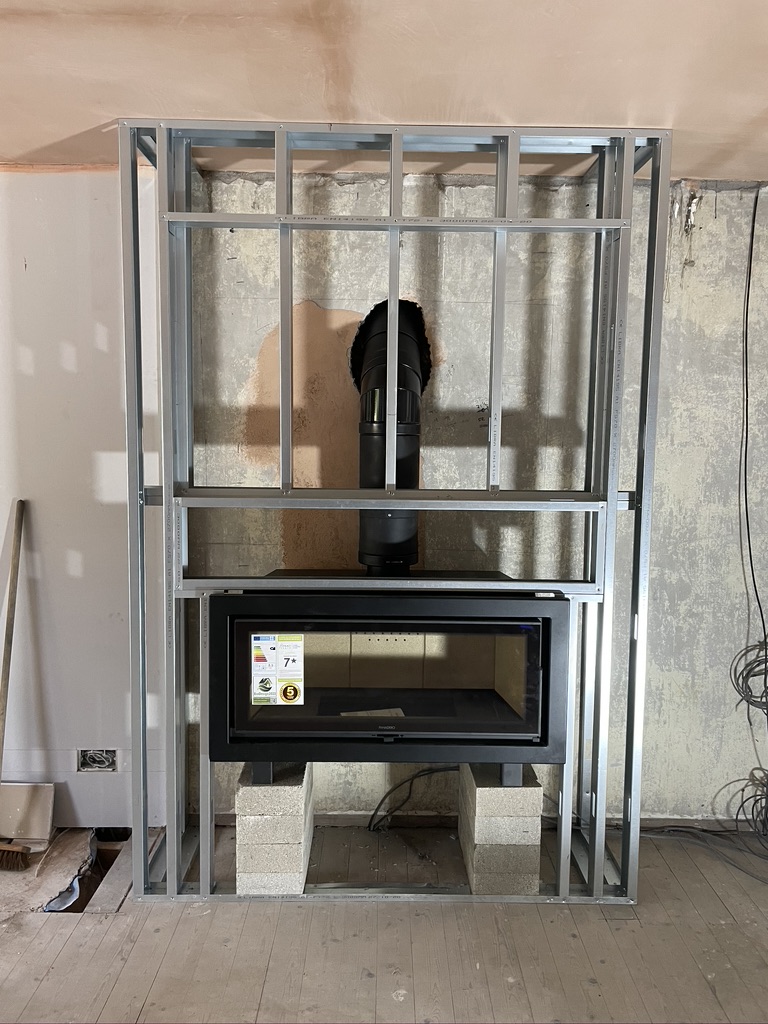
If your ideal wood-burning stove includes an oak beam or a traditional fireplace surround, this can still be achieved by building a mock chimney breast around the twin-wall flue.
This approach conceals the flue within the structure, allowing the stove to retain the appearance of a traditional fireplace and enabling cupboards and shelving to be installed in the alcoves on either side of the chimney breast.
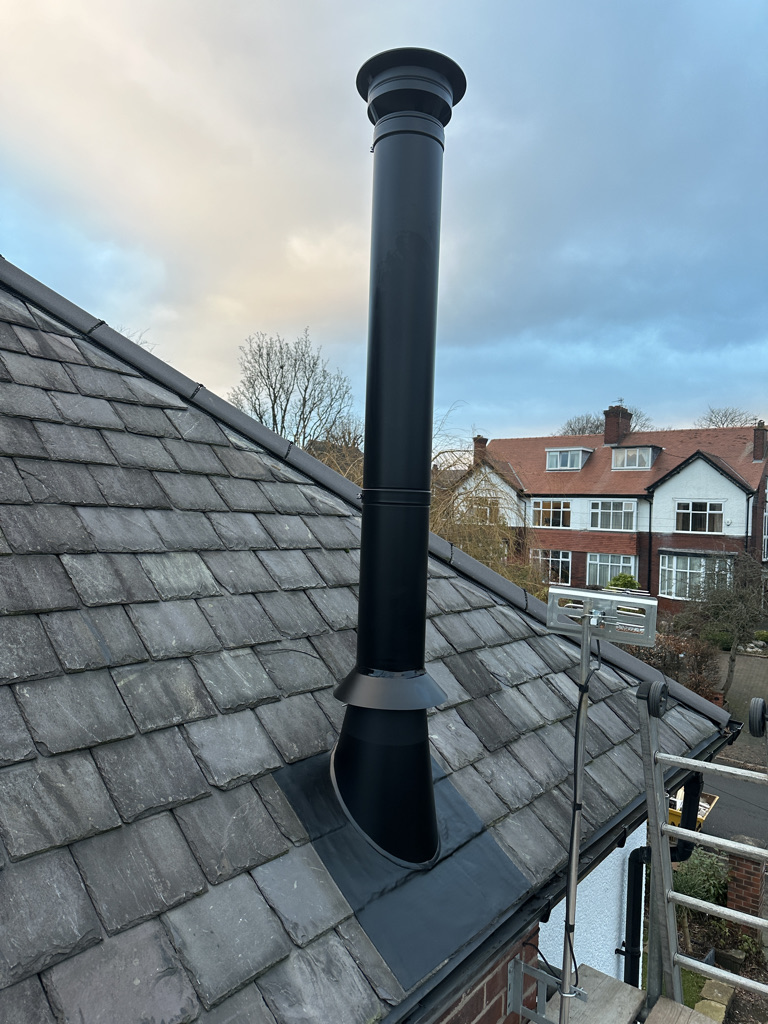
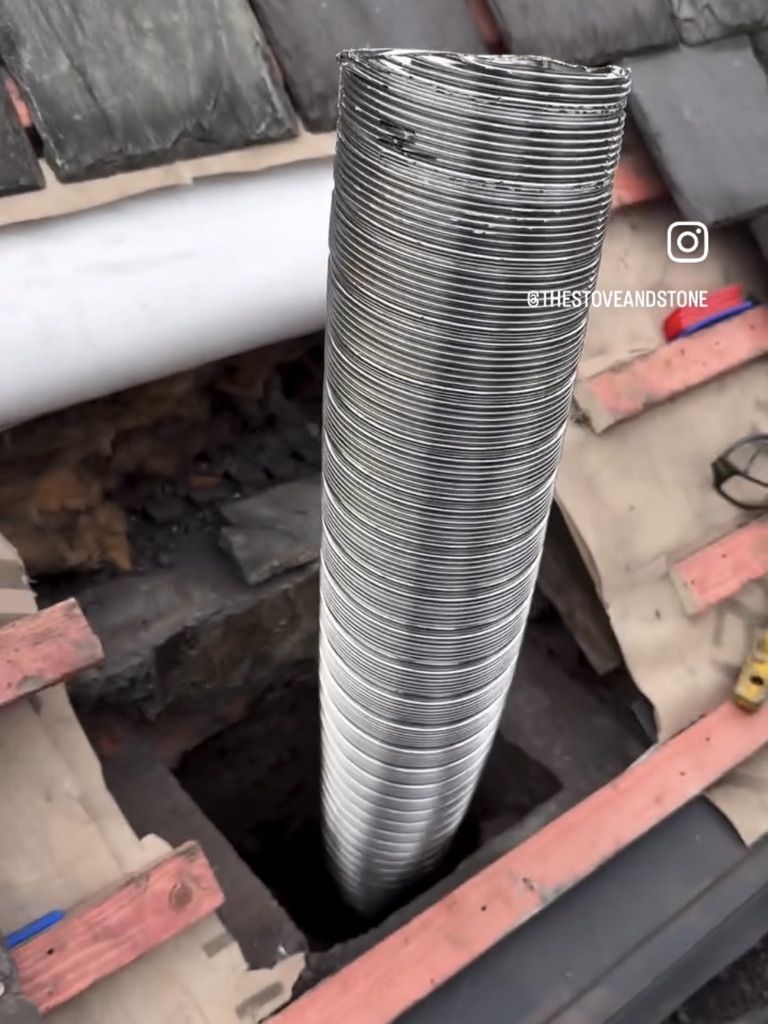
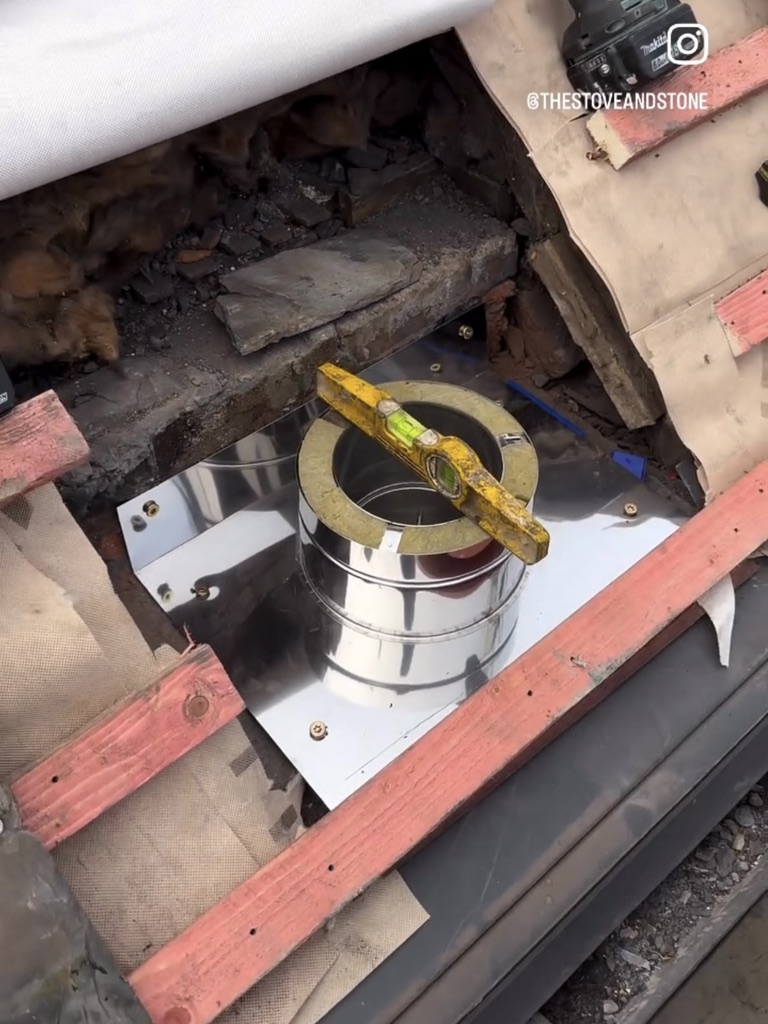
REMOVED CHIMNEY STACK
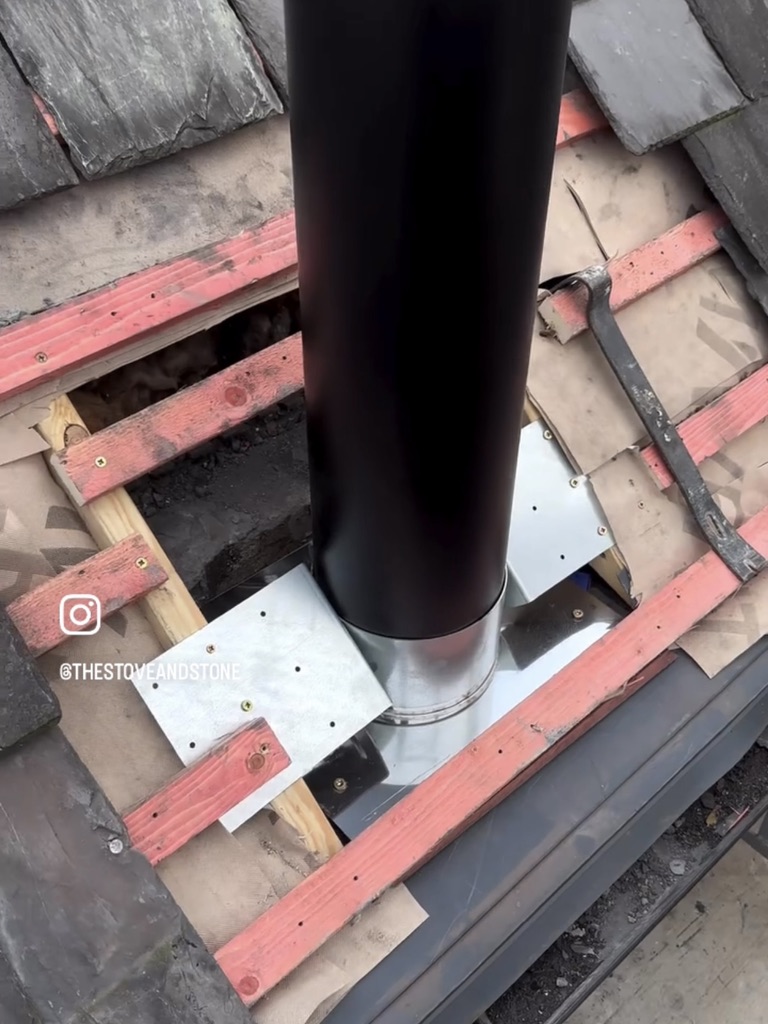
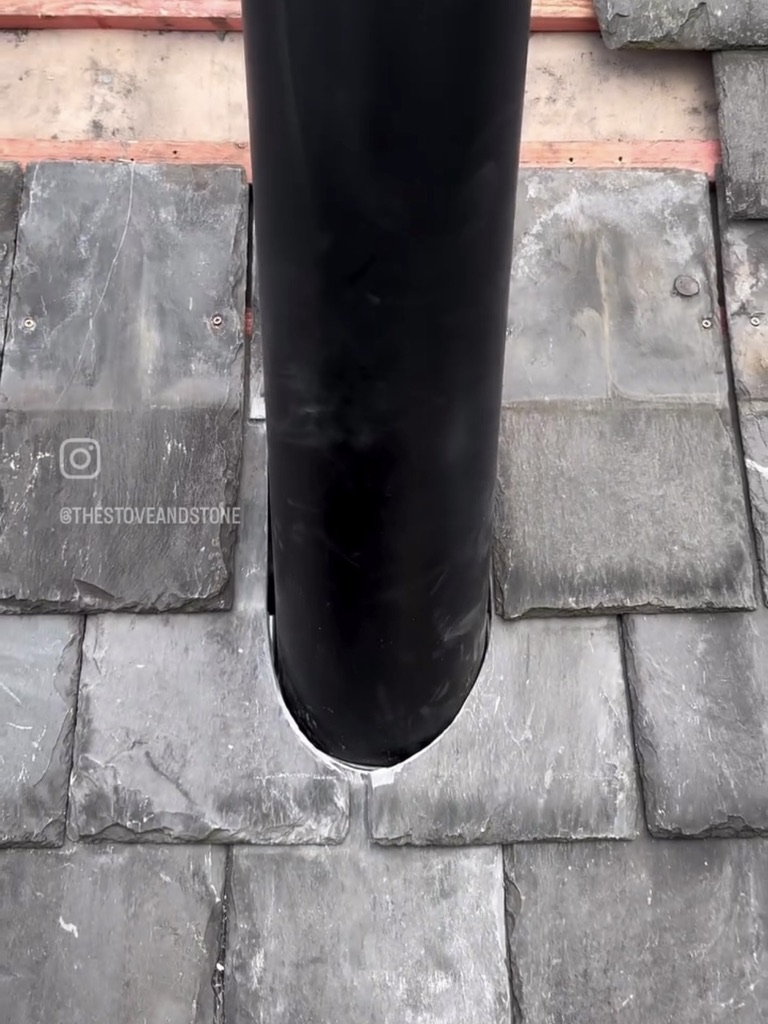
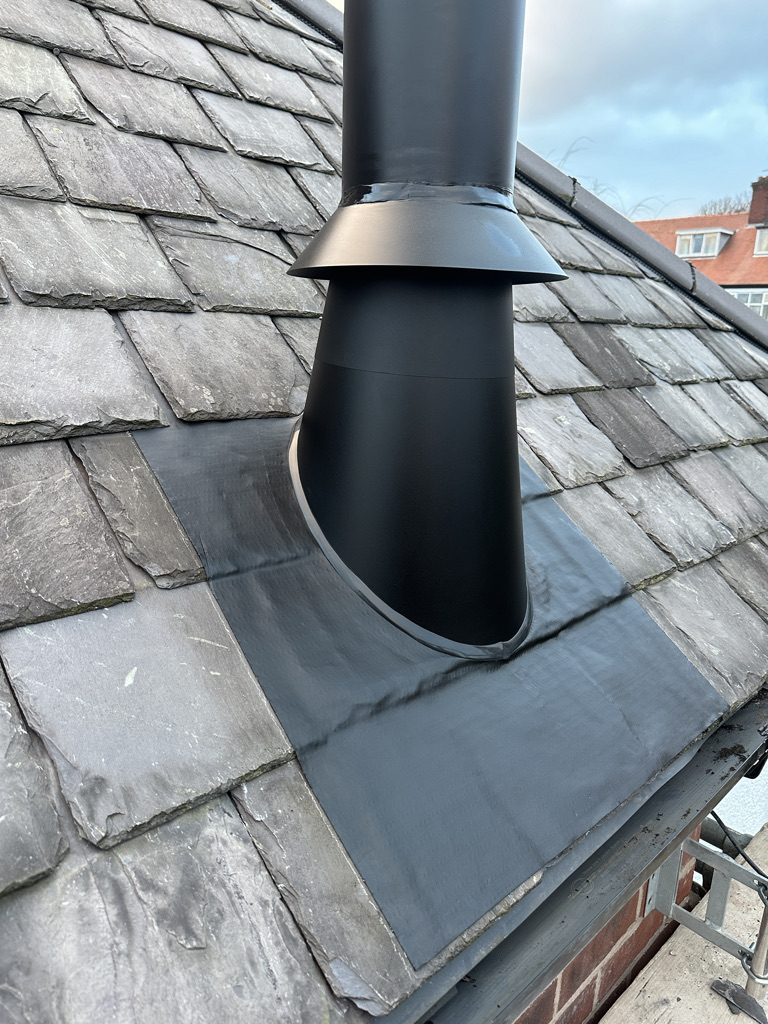
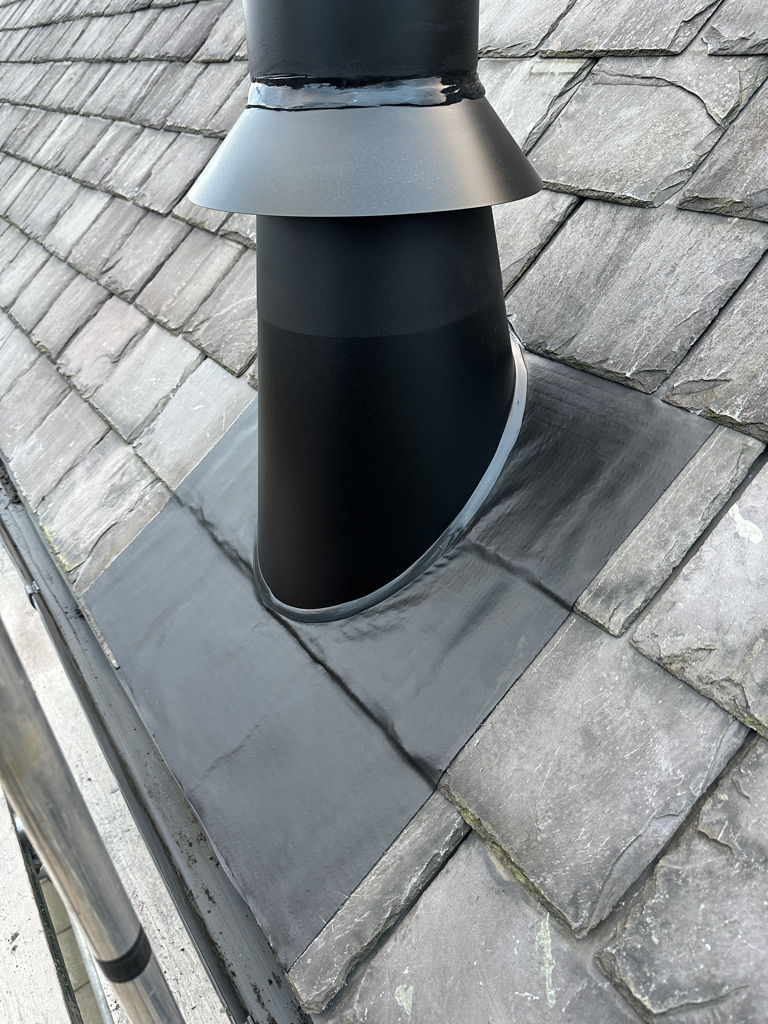
Some properties initially featured a masonry chimney stack that has now been removed. If the original chimney breast remains on both the ground and first floors, a twin-wall flue system can often replace the missing chimney stack. This setup enables the installation of a wood-burning stove while maintaining the original fireplace opening.